1980 Baitul Suroor peace pact
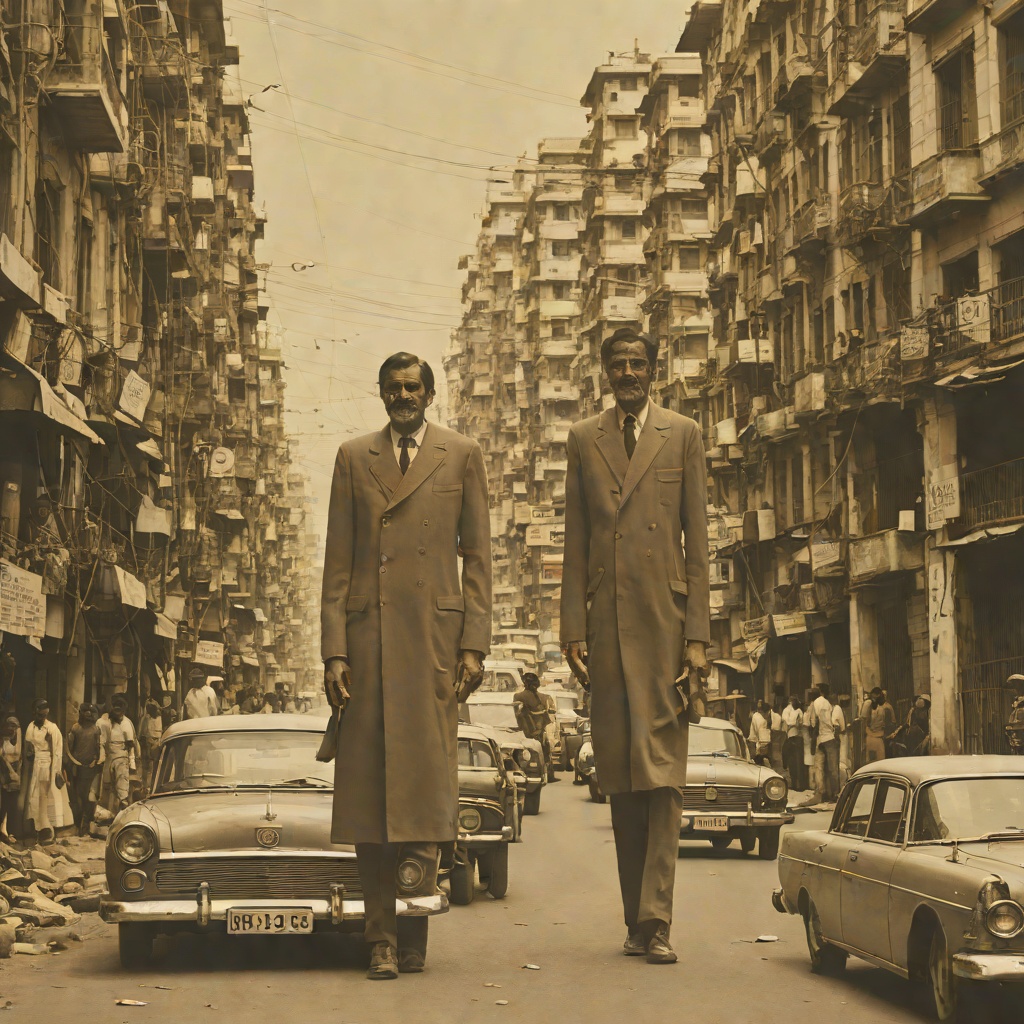
Mafia Queens of MumbaiIn the wet month of July 1980, Mumbai's warring gangsters finally met at Haji Mastan's bungalow, a gathering that would become known as the historic peace pact of the Mumbai underworld. The meeting was the culmination of intense discussions between Mastan and the Pathan chief Karim Lala, during which the three had drawn the final list of invitees. As part of a mutual understanding, everyone was requested not to carry any sort of weapon to prevent the chance of bloodshed. Yet the worry on Mastan's face was apparent as the time for the guests' arrival approached, and though Jenabai Daaruwali tried to assure him of a good outcome, he remained unsure about what would actually ensue from the meeting.
The Gathering and Jenabai's Role
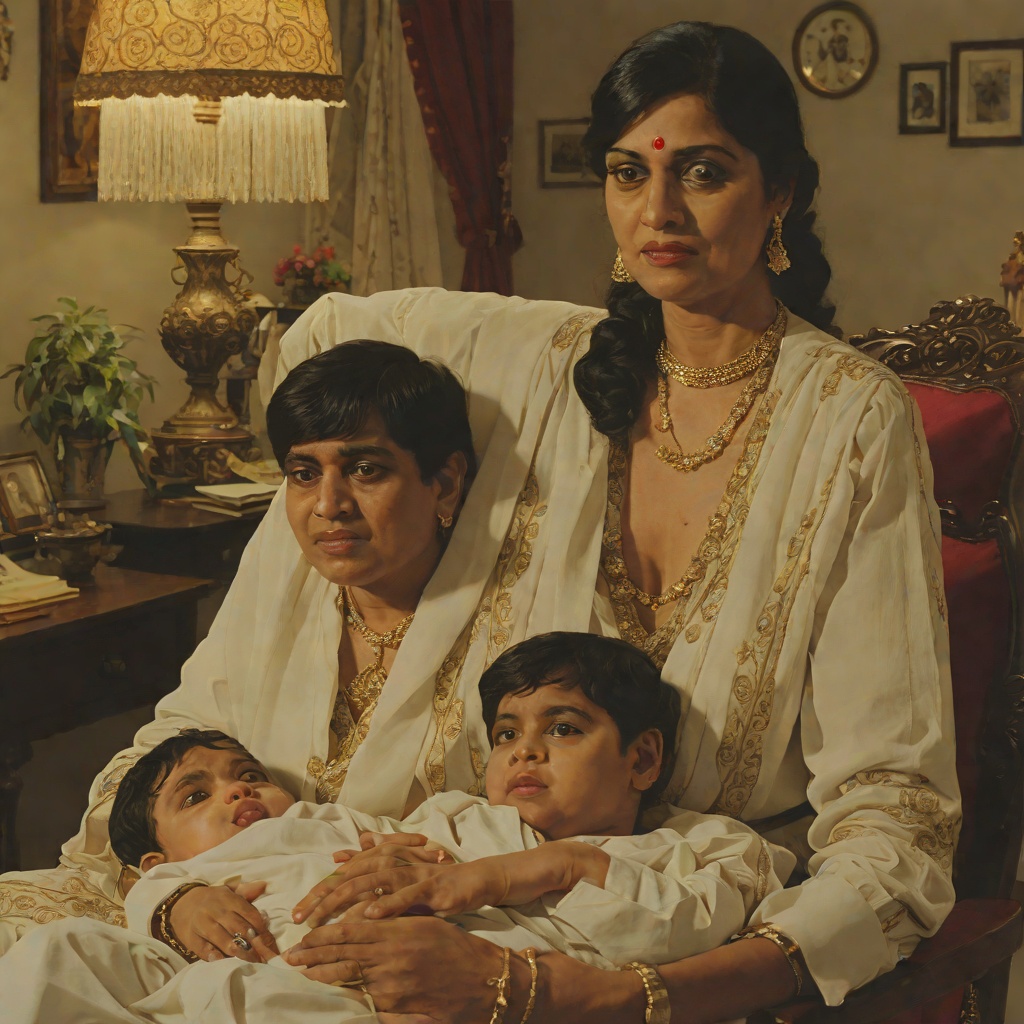
Jenabai had been at Mastan's home since dawn, and apart from Mastan, the domestic help, and her, no one else was present in the house. The visitors started pouring in by late evening. Jenabai was not as concerned about the others as she was about Dawood and Sabir, the volatile sons of Ibrahim Kaskar. To suppress the duo's volatility, Jenabai had specifically asked Mastan to call her close friend and their father, Ibrahim Kaskar, for the meeting. Finally, they were all there: the Pathan chief Karim Lala and his gang, Dawood, Sabir and their father, Majid Kalia, Hussain Somji, Dilip Aziz, Hanif—all sitting in cold silence. The fact that Jenabai was the only woman there, sitting amongst them and chatting comfortably with the men, said much about her influence and the respect that she was accorded in the underworld at the time. When the meeting was set to begin, Jenabai went and sat beside Dawood, holding his clenched fist—in some way trying to convey to him the importance of maintaining his cool throughout.
Mastan's Appeal and the Oath on the Quran
Mastan finally stubbed his cigarette out in the glass ashtray on the dining table and approached his visitors. He declared that it gave him great pride to see his brothers sit together under one roof, acknowledging the bad blood and misunderstanding between them, and choosing his home as the humble ground for their reunion. No one in the room spoke, but Jenabai threw smiling glances at each and every person in the room. Mastan then looked at the faces of each of his visitors and spoke of their shared Muslim faith, lamenting that they had failed to identify their common enemy and instead indulged in in-fighting and bloodshed, killing their own brothers. He said they had made a mockery of their faith and made fools of themselves, with everyone laughing, including the government and the police. Jenabai contributed her bit, agreeing that they had become jokers and questioning what they had made of themselves. Dawood, however, pushed back, insisting that they had always cared for other Muslims and never initiated attacks, unable to help it if others considered themselves superior and tried to crush every step they took. Realising the consequences Sabir's behaviour could have, Dawood caught hold of him and asked him to sit. Mastan, relieved that Jenabai had managed to control the situation, called on them to resolve their differences for the sake of Allah and Islam, and to take an oath that they would refrain from targeting each other in future.
Jenabai got up almost immediately and covered her head with her white dupatta as if in prayer and went into the next room. The visitors sat tensely, wondering where she had gone. Moments later, she came out with a Quran which was covered in a dark green cloth. She placed it carefully on the side table and came and sat with the guests. One of the visitors asked his boys to place the Quran on the centre table. Mastan then proposed that they take an oath on the Quran. Jenabai encouraged Dawood and Sabir to place their hands on the holy book; once they did, others slowly followed. Putting their hands out, the men softly muttered that they would abstain from killing their brothers and live peacefully and in total harmony.
The Aftermath and the Belassis Road Land Grab
Soon after this meeting, Mastan let them in on the problem he was facing on Belassis Road. The Pathans and Dawood's gang met the tenants and ordered them to vacate the land. The Chiliyas fought fearlessly; however, they couldn't stand up to the joint might of the two gangs and they finally lost their land. Mastan then went on to build a tall, multi-storied building on the same plot. This land grab demonstrated the immediate practical consequence of the peace pact: the newly united gangs could now cooperate on joint ventures, using their combined strength to seize territory that had previously been contested.
Significance and Legacy
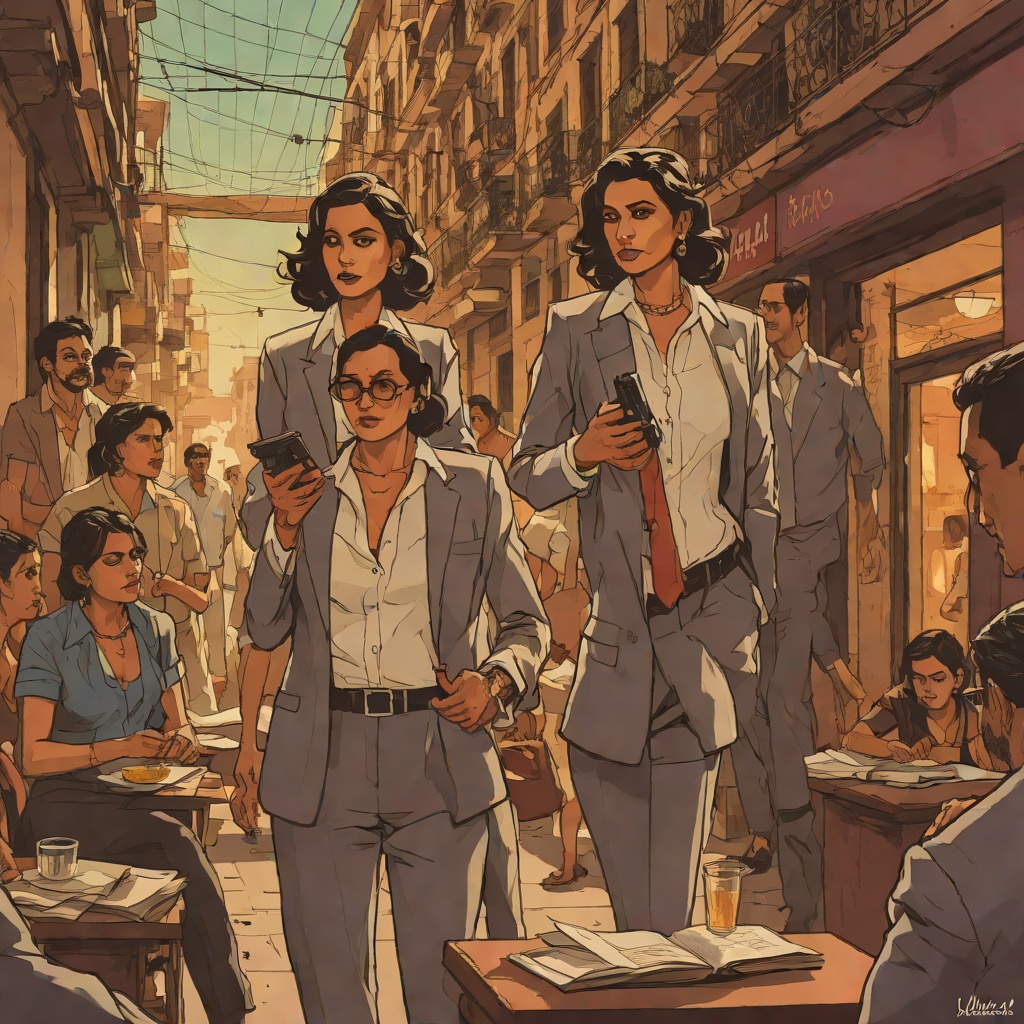
It was a historic peace pact in the history of the Mumbai underworld, engineered by Mastan at his house and whose chief architect, undisputably, was Jenabai. The event underscored the complex role of women in the criminal world, a theme central to the book's attempt to understand the minds and psyche of women criminals. Jenabai's ability to command respect and broker peace among the most dangerous men of her time illustrated that these women were not blank slates written upon by dangerous male mafia members, but active agents who pushed the boundaries of dominant moral codes. The pact also foreshadowed the shifting alliances and power struggles that would define the Mumbai underworld for decades, as the unity forged that night would eventually fracture, leading to the gang wars and violence that would claim many lives, including those of women who dared to stand up against the mafia.